

Southern California Edison (SCE), one of California’s largest electric utilities, is raising residential electricity rates again in 2026. Serving millions of customers across Southern California, SCE’s rate increases are part of ongoing efforts to fund infrastructure improvements, integrate renewable energy, and comply with regulatory requirements.
For households and businesses, understanding these changes is critical to managing monthly electricity bills and planning energy use efficiently.
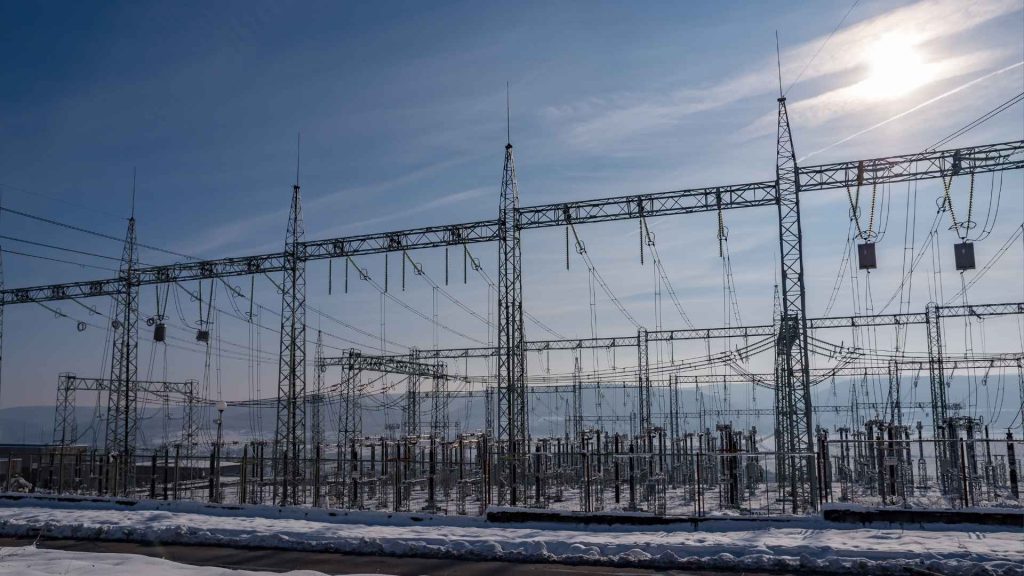
Overview of SCE’s 2026 Rate Increase
Key Drivers of the Increase
The 2026 rate hike is primarily driven by:
- Infrastructure Modernization: Upgrades to the electrical grid and replacement of aging equipment ensure reliable electricity service and resilience against natural disasters.
- Wildfire Mitigation and Cost Recovery: Programs and historic cost recoveries, including expenses from major wildfires, are factored into rates.
- Renewable Energy Investments: SCE is increasing its share of solar, wind, and battery storage to meet California’s clean energy goals.
- Regulatory Compliance: Costs associated with adhering to state and federal regulations are recovered through rates.
- Inflation and Operational Costs: Rising costs of materials, labor, and energy production contribute to higher bills.
Historical Context
SCE has implemented multiple rate increases in the past decade. For example:
- 2024: Residential rates averaged ~34.5¢ per kWh
- 2025: Rates increased to ~37¢ per kWh (+7–8%)
- 2026: Rates projected to ~40¢ per kWh (+7–9%)
This trend reflects both regulatory approvals and the utility’s need to invest in infrastructure and renewable energy.
Impact on Consumers

Residential Bills
A typical household consuming 1,000 kWh per month could see bills rise:
| Year | Avg. Residential Rate | Approx. Monthly Bill | YoY Change |
|---|---|---|---|
| 2024 | 34.5¢ | $345 | – |
| 2025 | 37¢ | $370 | +7% |
| 2026 | 40¢ | $400 | +8% |
Commercial and Industrial Customers
- Businesses will experience similar percentage increases, with absolute costs varying depending on electricity consumption patterns.
Comparison With Other Utilities
- SCE rates remain competitive compared to PG&E and slightly lower than SDG&E, although all major California utilities face similar cost pressures.
Strategies to Reduce Your Electricity Bill
1. Energy Efficiency
- Lighting: Switch to LED bulbs to cut energy usage by up to 75%.
- Thermostats: Use programmable or smart thermostats to optimize heating and cooling.
- Appliance Usage: Run dishwashers and laundry machines during off-peak hours with full loads.
- Weatherproofing: Seal windows and doors and add insulation to reduce heating and cooling costs.
2. SCE Assistance Programs
- CARE & FERA: Discounts for income-qualified households (30% for CARE, 18% for FERA).
- Budget Billing: Smooths seasonal fluctuations in electricity costs.
- Energy Rebates: Rebates for energy-efficient appliances, insulation, and smart thermostats.
3. Renewable Energy Options
- Solar Panels & Battery Storage: Reduce reliance on the grid and lower monthly bills.
- Incentives: Federal Investment Tax Credit (ITC) and California programs like SGIP provide financial support for renewable installations.
Long-Term Outlook

Electricity rates are likely to continue rising due to:
- Ongoing infrastructure modernization
- Regulatory compliance and environmental standards
- Climate-related operational costs
Consumers should stay informed, participate in CPUC hearings, and leverage energy-saving programs to manage future increases.
FAQs
What is the SCE rate increase for 2026?
Residential rates are projected to rise 7–9%, averaging around 40¢/kWh.
Why are SCE rates increasing?
To fund grid upgrades, wildfire mitigation, renewable energy integration, regulatory compliance, and cost recovery from past events.
How can I reduce my electricity bill?
Use energy efficiency measures, take advantage of SCE programs like CARE and FERA, and invest in renewable solutions like solar panels.
Are there low-income assistance programs?
Yes. CARE and FERA provide discounted rates, and the Energy Assistance Fund offers financial help during hardships.
Can I switch providers to avoid increases?
California’s regulated utility market limits switching, but Community Choice Aggregation (CCA) programs may offer alternative rates and renewable options.

