

The state of California continues to lead the way in promoting renewable energy, especially solar energy. With its abundant sunshine and a robust set of government incentives, going solar in California has never been more accessible or beneficial. Whether you’re a homeowner looking to cut down your electricity bill or a business aiming to go green, California’s solar incentives provide numerous ways to make the switch more affordable.
In this guide, we’ll walk you through the major solar incentives, rebates, tax credits, and funding opportunities that will help you make the most of solar power in California in 2026.

Key Solar Incentives and Benefits in California
California offers a range of incentives and funding opportunities to make solar energy more affordable for its residents. These programs are designed to lower the upfront cost of solar installations, reduce tax burdens, and make renewable energy accessible to a wider range of households and businesses. Let’s explore the top incentives available:
Federal Solar Investment Tax Credit (ITC)
The Federal Solar Investment Tax Credit (ITC) is one of the most significant incentives available to homeowners in California. This tax credit allows you to claim 30% of the cost of your solar system installation as a credit against your federal taxes. The ITC applies to both residential and commercial solar systems and covers all associated costs, including equipment, labor, and installation fees.
For instance, if you install a solar system that costs $20,000, you can claim a tax credit of $6,000, making the overall investment more affordable. This tax credit is available for systems installed through 2032, making it an excellent opportunity for those looking to go solar in the next few years.
How to Claim the ITC
Claiming the ITC is straightforward. Simply:
- Complete IRS Form 5695.
- Use the documentation from your installer to fill out the form.
- Submit it when filing your federal taxes.
California Solar Rebates and Funding Programs
California also offers a variety of state-level incentives that can significantly reduce the upfront cost of going solar. These rebates and programs cater to different needs and income levels, making solar energy accessible to more people.
Self-Generation Incentive Program (SGIP)
The Self-Generation Incentive Program (SGIP) provides rebates for California homeowners who install battery storage systems alongside their solar panels. Since solar energy is generated during the day, battery storage allows you to store excess power for use at night or during power outages. The SGIP rebate varies, but you can expect up to $200 per kilowatt-hour (kWh) of battery storage installed.
Single-Family Affordable Solar Homes (SASH) Program
The SASH Program is an important initiative that helps low-income homeowners in California access solar energy. If you qualify for the program, you can receive financial assistance to cover the costs of a solar installation. The program typically offers up to $3 per watt of installed solar capacity, which can add up to significant savings, especially for homes in disadvantaged communities.
Equity Resiliency Program
If you’re located in a disadvantaged area or a community impacted by wildfires, the Equity Resiliency Program provides additional incentives for installing battery storage systems. Rebates under this program can be as high as $1,000 per kWh of battery capacity installed. This is a great opportunity for homeowners looking to increase their energy independence while benefiting from state-level support.
Property-Assessed Clean Energy (PACE) Financing
For those who prefer not to pay upfront for their solar system, PACE financing is a fantastic option. This state-backed program allows homeowners to finance the cost of their solar installation through a property tax assessment. The repayment is spread out over 15 to 25 years, and the debt is tied to the property rather than the homeowner’s credit score. This makes PACE a flexible and accessible financing option for many homeowners.
Local Incentives and Utility Company Programs
California’s utility companies also offer rebates and incentives to encourage homeowners to switch to solar. These programs can vary by location and provider but often include rebates for solar system installations and battery storage. For example, Burbank Water & Power offers a Green Building Incentive Program, providing rebates for residential solar installations, while companies like PG&E and Southern California Edison offer rebates for energy storage.
In addition, some municipalities in California offer Property Assessed Clean Energy (PACE) financing, which allows property owners to fund solar projects through a special assessment on their property taxes.
How Net Metering Works in California
Net metering is an essential component of California’s solar incentives. While the state transitioned to Net Energy Metering (NEM) 3.0 in 2023, solar customers can still benefit from excess solar energy by sending it back to the grid.
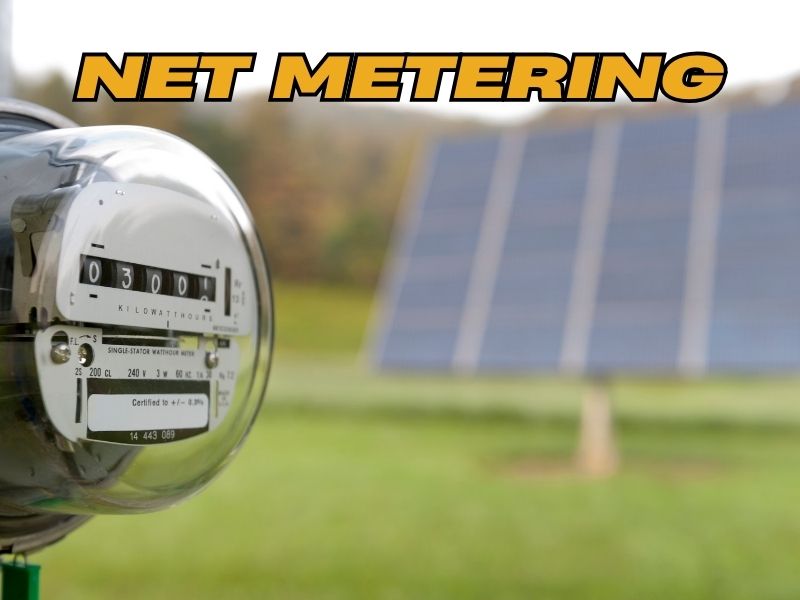
Under NEM 3.0, the compensation for excess solar energy has been reduced to wholesale rates, meaning solar owners now receive a lower payment for the energy they export. However, this change can be mitigated by adding solar battery storage to your system. With a battery, you can store excess solar energy generated during the day and use it during peak hours, when electricity costs are higher. This can help you maintain financial savings despite the changes to net metering policies.
Does California Offer Solar Tax Exemptions?
While California doesn’t provide a sales tax exemption for solar systems, it does offer the Active Solar Energy System Exclusion. This means that the value of your solar panel system is excluded from property tax assessments, which prevents your property taxes from increasing due to your solar installation. This exclusion helps offset the initial cost of the system over time, making solar energy even more cost-effective in the long run.
Additional Financing Options for Solar Installations
For homeowners who cannot afford to pay upfront, California offers several financing options that allow you to pay for solar installations over time. In addition to PACE financing, you can explore solar loans, leases, or Power Purchase Agreements (PPAs), which can reduce your initial financial burden.
- Solar Loans: These work like traditional home improvement loans, with terms typically ranging from 8 to 20 years.
- Leases and PPAs: With these options, you either lease the solar equipment or agree to buy the electricity it generates at a fixed rate. The advantage is that you don’t own the system, but the downside is that you might not qualify for the tax credits.
Conclusion: Make the Most of California’s Solar Incentives in 2026
California remains a leader in renewable energy, and its solar incentives make it an ideal place to install solar panels in 2026. By taking advantage of the available federal tax credits, state rebates, and financing options, you can significantly lower the cost of going solar and start enjoying the benefits of clean, renewable energy. At Gecko Solar Energy, we’re committed to helping you navigate the complex landscape of solar incentives to ensure you maximize your savings.

If you’re ready to explore your solar options or have questions about which incentives apply to your home or business, give us a call at +1 619 826 6600 or email us at hello@geckosolarenergy.us. Let’s unlock the full potential of solar energy together!

