

If you’re considering going solar in California, navigating the permitting process can seem like a daunting task. However, it doesn’t have to be. Whether you’re looking to install solar panels for your home or business, understanding the ins and outs of California’s solar panel permitting process is crucial for a smooth and successful installation.
In this comprehensive guide, we’ll break down everything you need to know about solar panel permitting in California for 2026, so you can get started on your solar journey with confidence.
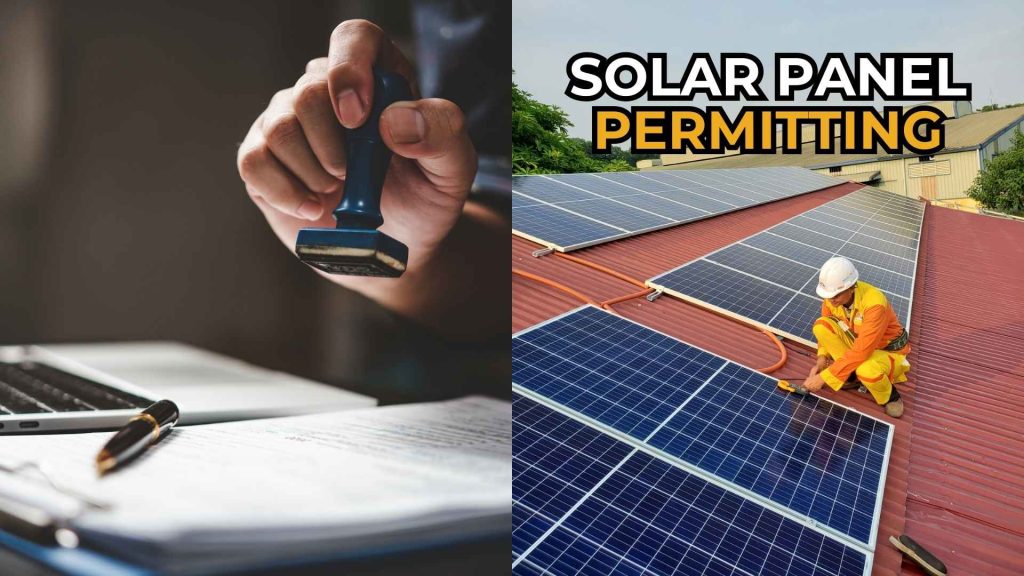
What is Solar Panel Permitting?
Before we dive into the specifics, it’s important to understand what solar panel permitting is. Permitting refers to the official approval required by your local government to install a solar energy system. The process ensures that installations comply with safety regulations, building codes, and electrical standards, all while making sure that your system can integrate seamlessly with the local grid.
In California, the permitting process can vary slightly depending on the city or county, but all jurisdictions must follow state regulations. The state has streamlined processes for residential solar projects, but larger or more complex systems may require additional steps.
Why is Solar Panel Permitting Important?
Permitting is a key step in ensuring that your solar installation is safe, legal, and compliant with local and state building codes. This protects you, your property, and the environment. Additionally, obtaining the proper permits ensures that your solar system is eligible for utility grid connection and any incentives or rebates available to you.
Without a permit, you risk fines, installation delays, and even having to remove the system. In short, securing the proper permits is not just a formality—it’s essential for a successful solar project.
The Solar Permitting Process in California: Step-by-Step
The solar permitting process in California can be broken down into several key steps.
Let’s take a look at each stage to give you a better understanding of what to expect.
Step 1: Prepare Your Solar System Design
The first step in the permitting process is preparing a design for your solar panel system. This involves working with a licensed solar contractor who will assess your home’s roof or property and develop a plan for the installation. The design must adhere to local building codes, California’s Title 24, and electrical requirements.
Key Considerations:
- Roof strength: Your roof must be able to support the weight of the solar panels.
- Energy needs: The system’s size should match your energy consumption.
- Fire and safety codes: California has strict fire safety rules regarding solar installations, especially concerning spacing and equipment placement.
Step 2: Submit Your Application and Pay Fees
Once your design is finalized, your contractor will submit the necessary documents to your local building department for review. The application will typically include:
- Structural plans: To ensure the roof can safely support the panels.
- Electrical plans: Detailing the wiring, inverter, and other electrical components.
- Fees: Permitting fees vary by jurisdiction but typically range from $100 to $500.
In many cases, you can expect to receive an initial response from your local authority within a few weeks. However, certain factors—like the complexity of your system or the time of year—can lead to delays.
Step 3: Review and Approval
Your local jurisdiction will review your permit application, ensuring that it meets all local, state, and national standards. This process often takes anywhere from one day (if using streamlined systems like SolarAPP+) to several weeks for more complex installations.
During this review, you might be asked to provide additional documentation or modify your plans to comply with specific codes. While this can seem like an obstacle, it’s important to address any requests from local authorities promptly to avoid delays.
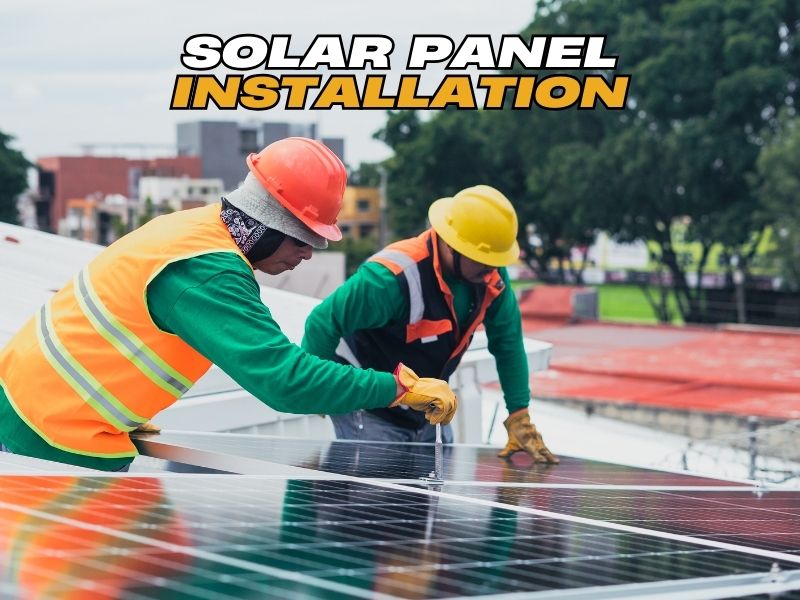
Step 4: Installation
Once your permit is approved, installation can begin. A licensed contractor will install your solar panels, inverter, and other necessary components. The installation process can typically take anywhere from 1 to 3 days, depending on the size and complexity of your system.
During this stage, your contractor will ensure that everything is installed according to the approved plans, maintaining strict adherence to safety protocols.
Step 5: Inspections
After installation, your solar system will need to undergo one or more inspections by local building authorities. These inspections are crucial to verify that the installation meets all safety and building code requirements.
Step 6: Permission to Operate (PTO)
Once your system has passed inspection, the final step is to obtain Permission to Operate (PTO) from your utility company. This gives you the green light to connect your solar system to the grid and start generating power. It’s important to note that utilities may also perform their own inspection or review of the system.
At this point, your solar system is ready to go live, and you can start enjoying the benefits of clean, renewable energy.
Key Types of Permits Required for Solar Installations in California
In California, there are typically two main types of permits required for residential solar installations:
1. Building Permits
Building permits are required to ensure that the structural integrity of your home can handle the additional load from the solar panels. The key considerations here include:
- Roof Load Capacity: Your roof must be able to safely support the solar panels and their mounting system.
- Mounting System Integrity: Solar panels must be securely mounted to withstand wind and seismic activity.
Building permits are usually required for rooftop installations but may also be necessary for ground-mounted systems.
2. Electrical Permits
Electrical permits ensure that the wiring, inverters, and electrical connections meet safety standards. These permits cover:
- Wiring and Connections: Ensuring compliance with the California Electrical Code.
- Inverter and Battery Compliance: Ensuring inverters and batteries are installed according to safety regulations.
Electrical permits may be issued as a separate permit or combined with the building permit, depending on your jurisdiction.
Streamlined and Expedited Solar Permitting in California
In an effort to make solar installations more accessible, California has implemented streamlined and expedited permitting processes for small residential solar systems. Assembly Bill 2188, passed in 2014, mandates that local jurisdictions expedite the permitting process for small solar systems (up to 10 kW).
If your installation falls within this size range, you may be able to have your permit processed in just a few days. This is especially beneficial if you’re eager to get your system up and running quickly.
However, larger systems or those with battery storage may still require more detailed reviews and take longer to process.
Costs of Solar Permitting in California
The costs of solar permitting in California can vary depending on your location, the size of your system, and whether you need additional permits. On average, homeowners can expect to pay between $100 and $500 for permits.
Keep in mind that these costs are typically a small portion of the total cost of installing a solar system, but they are essential for ensuring compliance and safety.
Common Pitfalls and How to Avoid Them
While the permitting process in California is relatively streamlined, there are a few common pitfalls to watch out for:
- Incomplete Applications: Make sure all documents are submitted and complete to avoid delays.
- Ignoring Local Codes: Local jurisdictions may have specific requirements. Be sure to check with your city or county before submitting your application.
- Failure to Work with Licensed Contractors: California law requires solar installations to be performed by licensed contractors to ensure safety and compliance.
By staying proactive, addressing issues early, and working with qualified professionals, you can avoid these common hurdles.
Conclusion
Understanding the solar panel permitting process in California is crucial for a smooth and successful installation. With the right preparation, timely submission of documents, and careful attention to local regulations, you can get your solar system up and running without unnecessary delays. At Gecko Solar Energy, we’re here to help guide you through every step of the process and ensure that your solar installation is seamless, compliant, and set up for long-term success.

Ready to make the switch to solar? Contact us today at +1 619 826 6600 or email us at hello@geckosolarenergy.us to get started on your solar journey!

